Written by James Feeley // January 20, 2026
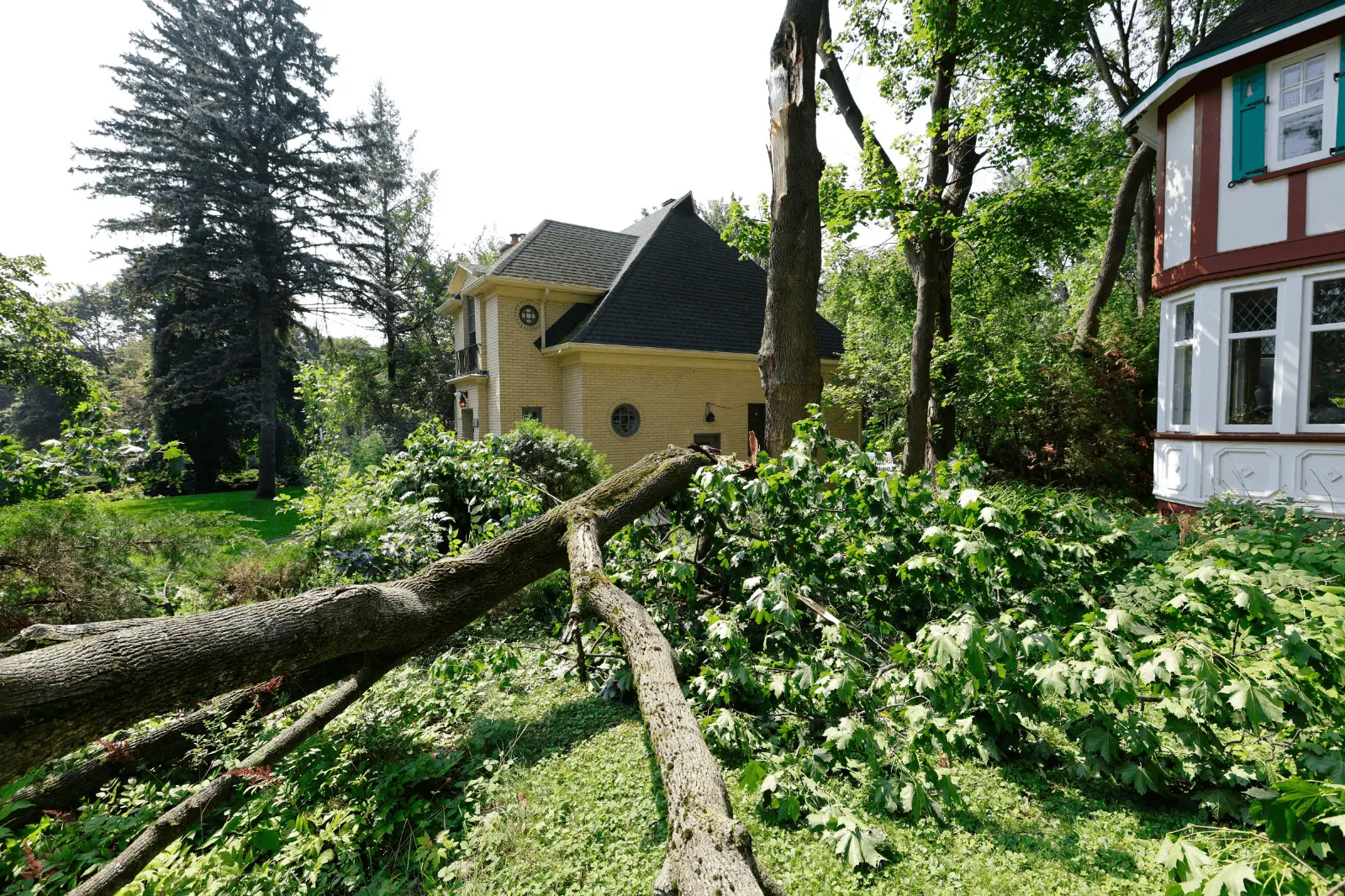
After a major storm, many homeowners wonder whether the damage they see—or don’t see—will be covered by insurance. Insurance adjusters play a key role in determining what qualifies as storm-related damage and how claims are handled.
Understanding what adjusters look for can help homeowners navigate the claims process more confidently and avoid costly misunderstandings.
VISIBLE ROOF DAMAGE
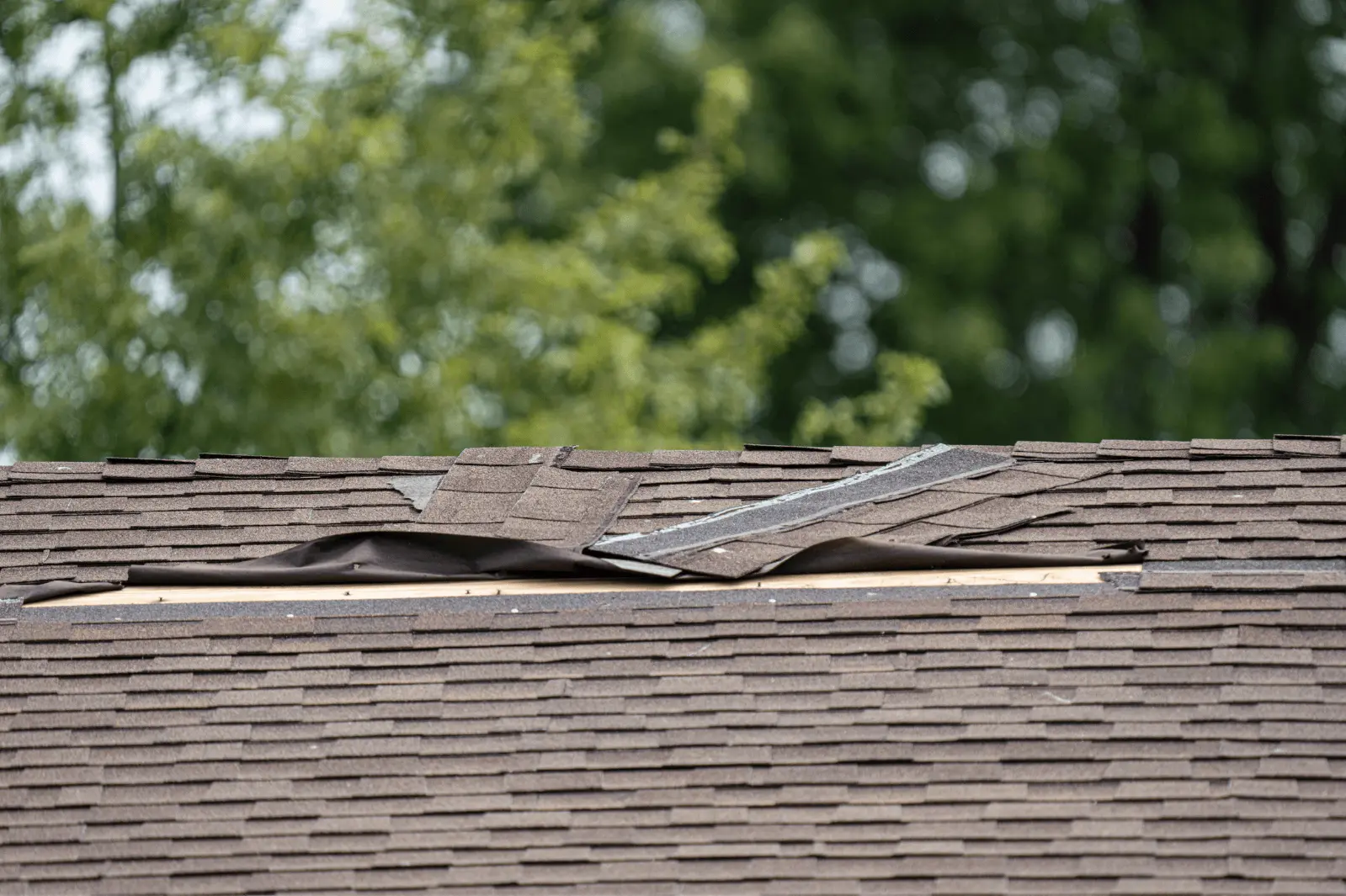
Adjusters start by inspecting visible roof damage. This may include:
- Missing or broken shingles
- Hail impact marks
- Creased or lifted shingles from wind
- Damaged flashing around chimneys and vents
They assess whether the damage is consistent with storm activity and whether it affects the roof’s ability to protect the home.
SIGNS OF WIND AND HAIL IMPACT
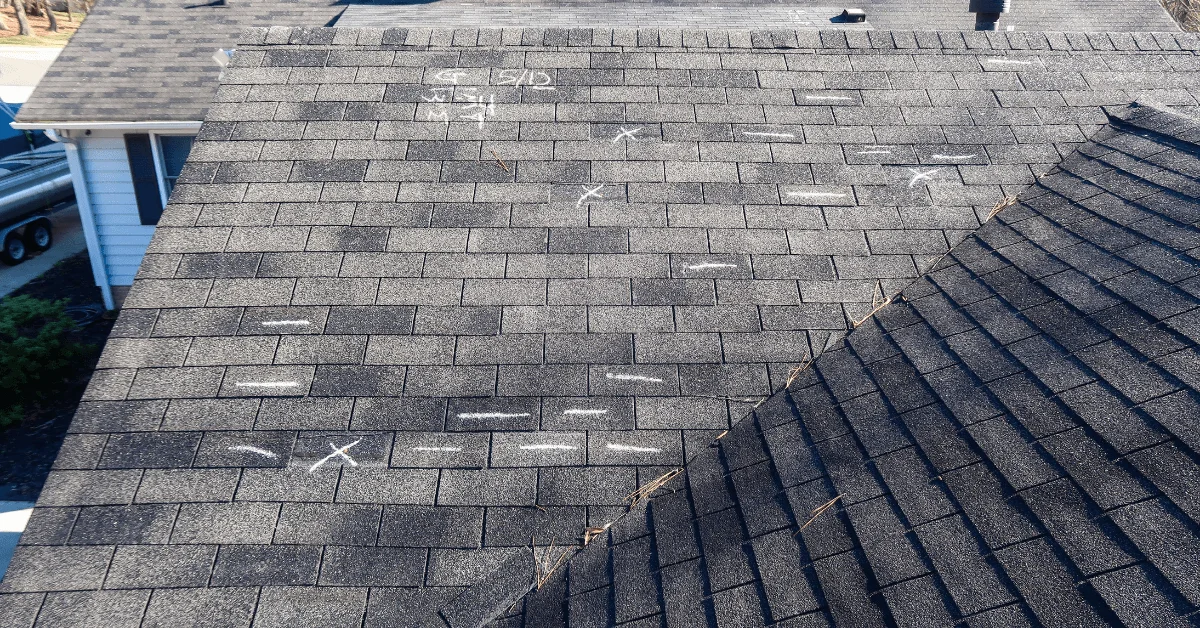
Not all storm damage looks dramatic. Adjusters are trained to identify subtle indicators such as granule loss, bruising from hail, and shingle creases caused by wind uplift.
These signs help determine whether the damage is storm-related or the result of normal aging.
WATER INTRUSION AND INTERIOR CLUES
Adjusters also look for signs of water intrusion, both outside and inside the home. This can include staining on ceilings, moisture in attic spaces, or damaged insulation.
Interior evidence often supports roof damage claims, especially when exterior damage is less obvious.
CONDITION OF FLASHING AND PENETRATIONS
Flashing around roof penetrations is a common failure point during storms. Adjusters inspect these areas closely because damage here can quickly lead to leaks.
Improperly sealed or displaced flashing is often considered storm-related if it aligns with recent weather events.
AGE AND OVERALL ROOF CONDITION
The age and condition of the roof are important factors. Adjusters evaluate whether damage exceeds normal wear and tear and whether the roof was in reasonable condition before the storm.
Well-maintained roofs are easier to assess for storm-related damage, which is why inspections before and after storms are valuable.
DOCUMENTATION AND CONSISTENCY
Adjusters rely heavily on documentation. Photos, inspection reports, and repair estimates help establish the extent and cause of damage.
Clear, consistent documentation can support a smoother claims process and reduce delays or disputes.
WHY PROFESSIONAL INSPECTION
A professional roof inspection provides detailed documentation that aligns with what insurance adjusters look for. Roofing professionals know how to identify storm-related damage and present findings clearly.
This helps homeowners understand their situation and ensures nothing is overlooked during the claims process.
BEING PREPARED MAKES A DIFFERENCE
Knowing what insurance adjusters look for empowers homeowners to act quickly after storms. Early inspections, proper documentation, and professional evaluations can make the claims process far less stressful.
Preparation helps protect both your home and your peace of mind.

One Response